Find an Installer

Blog
October 8, 2025
Resurfacing That Holds Up to Hundreds of Swimmers Daily
Have you noticed how quickly your pool surface starts to show wear? I know how frustrating it is when you see cracks spreading, stains setting in, or that once-smooth finish turning rough under hundreds of swimmers’ feet.
Here’s the thing: pools that serve hundreds of swimmers daily face a completely different challenge than backyard pools.
You’re dealing with constant chemical exposure, heavy foot traffic, and wear that can force you to resurface every 3 to 5 years instead of once a decade. But here’s the good news – there’s resurfacing materials and strategies that actually hold up to this kind of punishment.
Why High-Traffic Pools Demand More From Your Surface
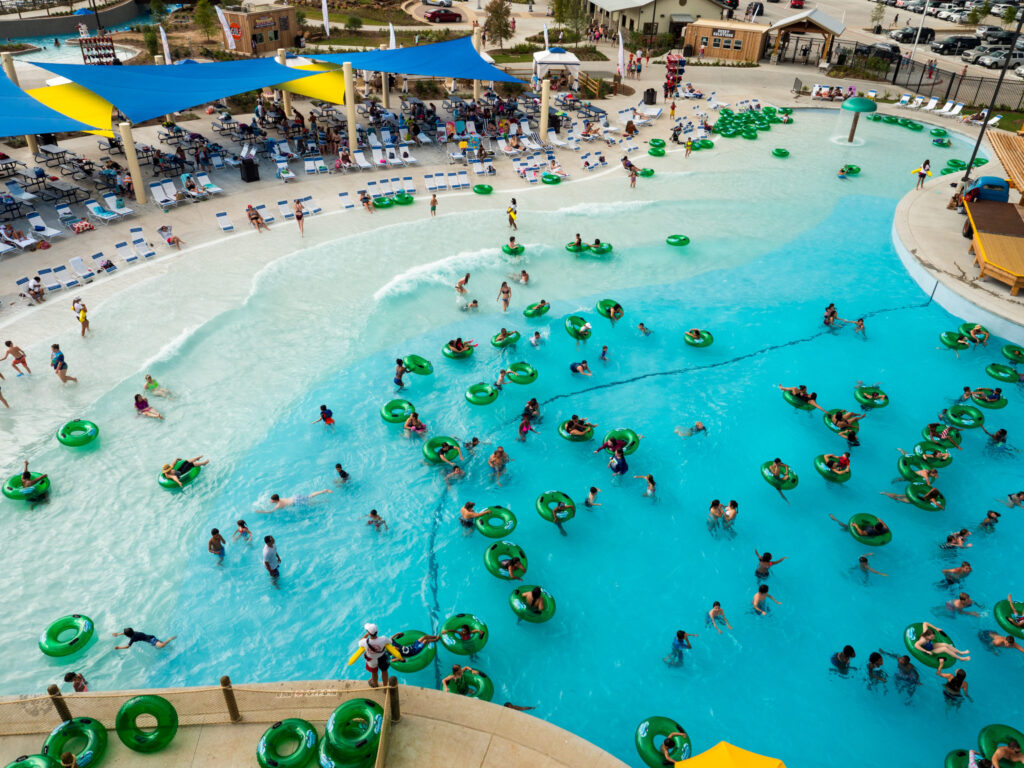
When you’re running a pool that sees hundreds of swimmers daily, you’re basically putting your surface through the equivalent of years of wear in just months.
Think about it this way: every swimmer brings in sunscreen residue, body oils, and dirt. That’s on top of the constant chemical balancing act you’re already managing.
With constant use, you’re dealing with:
- Chemical breakdown happening much faster than in residential pools
- Physical wear from hundreds of feet every single day
- Sun exposure that never gets a break during operating season
- Pool toys and equipment constantly scraping the surface
Here’s what happens when these factors combine. Your plaster or pool coating starts to break down, cracks form sooner, and you risk leaks that compromise water clarity. The decking options around your pool take a beating too.
High-use pools test even the toughest surfaces. The right material choice today determines whether you’re resurfacing in 5 years or 15 years.
Materials That Actually Hold Up to Heavy Use
Let’s break down your best options based on what actually works in high-traffic environments.
Traditional Plaster and Cement Options
Cement and pool plaster remain popular for good reason. They give you that classic smooth finish, and you can expect years of life in a high-traffic pool.
Standard white plaster is the most budget-friendly option. But here’s the catch: it’s also the most prone to staining and requires more frequent maintenance than premium alternatives.
Gunite: The Structural Powerhouse
Gunite combines concrete and sand to create exceptional structural strength. This material can handle hundreds of daily swimmers without developing surface cracks or significant damage.
Pool professionals recommend gunite especially for facilities that experience heavy use year-round.
Advanced Coating Technologies
Modern resilient coatings like ecoFINISH deliver outstanding chemical resistance. You’ll save on repairs because these coatings stand up to daily wear from heavy swimmer traffic.
What makes these coatings special? They’re pH neutral, so they won’t fight against your water chemistry the way masonry finishes do.
Why ecoFINISH Excels When You Serve Hundreds Daily
The Technology Behind the Durability
ecoFINISH uses flame-sprayed polymer coatings that’s flame-sprayed onto your pool surface. This creates a surface that bonds to your existing plaster or concrete.
Here’s the practical benefit: it resists cracking, chipping, and peeling even with hundreds of swimmers using your pool every single day.
Chemical Resistance That Actually Works
When your pool is exposed to heavy bather loads, you’re constantly battling fluctuating chlorine levels, pH swings, and sanitizer residues. Most traditional surfaces can’t handle this — they start to etch, fade, or discolor as chemicals attack the finish.
ecoFINISH coatings are engineered to solve that problem. Unlike cementitious surfaces that react to pool water, ecoFINISH pool’s water chemistry stays more stable, stains don’t set in, and your surface maintains its color and texture season after season.
For commercial operators, that translates to lower maintenance costs, fewer resurfacing projects, and a pool that continues to look new long after traditional finishes would have failed.
Installation Speed Means Less Downtime
Here’s something that’ll matter to your bottom line: ecoFINISH cures almost immediately. You can start refilling your pool 24 hours after it’s applied.
Compare that to traditional plaster which requires a complicated two-week “hot start” process. With ecoFINISH, you simply balance your water and start swimming – that’s it.
How It Supports Better Pool Maintenance
This finish supports water clarity improvement and leak prevention year after year. Chemical resistance stays strong, making it easier for your pool maintenance teams to keep the water balanced.
The pH-neutral surface won’t counter-balance your water chemistry like masonry finishes do. That means you’ll spend less time chasing perfect chemical levels and more time keeping your facility running smoothly.
Planning Your High-Traffic Pool Resurfacing Project
Choosing the right resurfacing material is just the first step. Let me walk you through what you need to consider for a successful project.
Timing Your Resurfacing for Minimal Disruption
The smart move? Plan your resurfacing during your off-season. Most commercial pools schedule major work in late fall or early spring when usage drops.
Traditional plaster resurfacing takes 1 to 2 weeks to complete. Factor in draining, prep work, application, curing, and refilling. With ecoFINISH, you can cut that timeline significantly because the surface cures in one day.
Inspection and Repair: Don’t Skip This Step
Before any new surface goes on, you need a thorough inspection. Cracks in your pool’s structure must be fixed first, or they’ll just come back through your new finish.
Look for:
- Structural cracks that need epoxy injection or patching
- Plumbing leaks that waste water and chemicals
- Tile damage around the waterline
- Deteriorated grout or coping
Many facilities combine resurfacing with other upgrades like new tile, updated lighting, or improved circulation systems. It’s more cost-effective to do it all at once.
Conclusion
So here’s what it comes down to: choosing the right resurfacing that holds up to hundreds of swimmers daily is one of the smartest investments you can make for your facility. Strong, durable finishes keep your water clear and your swimmers safe. They also make pool maintenance dramatically easier.
When you select a surface that resists chemicals and prevents leaks, your pool looks great for years instead of needing constant repairs. Think about your facility’s specific needs. Are you serving 200 swimmers daily? 500? Your answer determines whether you need standard plaster or premium materials.
Make a smart investment in quality materials now, and you’ll enjoy smoother operations and fewer repairs down the road. Your high-traffic aquatic facility deserves surfaces built to handle the demanding environment you face every single day.
