Find an Installer
Blog
June 29, 2026
What Causes Bubbling or Peeling on a Pool Surface?
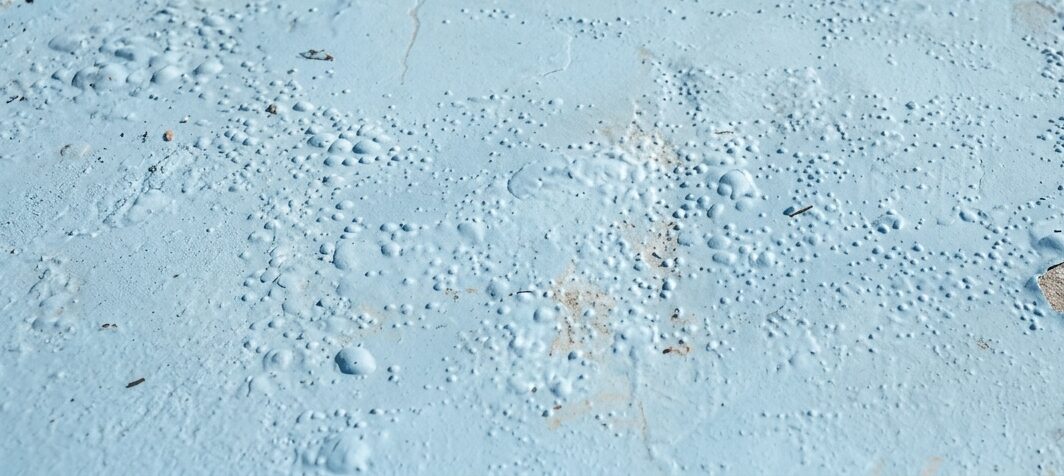
Have you ever walked out to your pool one morning and noticed the surface just doesn’t look right? Maybe there’s a bubble pushing up where the finish used to be smooth, or a patch of coating that’s starting to peel away.
The culprits are almost always the same. Moisture, heat, and improper surface prep team up to cause blistering and delamination on your pool finish.
Common Causes of Bubbling and Peeling on Pool Surfaces
Moisture and Heat: The Main Culprits
Moisture trapped beneath your pool’s finish is the primary driver of bubbling and peeling. Water seeps into small cracks or gaps, especially where the surface wasn’t properly prepared. Once it’s trapped underneath the coating, it has nowhere to go.
Then the sun does its job. Heat warms that trapped moisture and causes it to expand. The pressure builds up and pushes against the surface above, creating those bubbles you see forming across your pool.
Why Surface Preparation Matters So Much
Poor surface preparation during installation makes moisture problems far worse. When the base layer isn’t properly cleaned or profiled, water penetrates much more easily, which leads to delamination. That’s the term for when the pool finish separates completely from the layer beneath it.
Generally, these surface preparation steps must be completed before any finish is applied:
- Hydroblasting: Profiles the surface so the new finish has something to grip securely
- Bond coat application: Creates a secure connection between the substrate and the new finish
- Acid wash: Cleans the surface and prepares it chemically for bonding
- Proper substrate drying: Removes excess moisture before the finish goes on
When any of these steps get skipped, the consequences show up fast.
Signs That Bubbling or Peeling Is Getting Worse
Once you know the causes of bubbling and peeling, the next step is watching for signs that the damage is spreading. Catching these signs early is how you stop surface delamination before it turns into a major pool repair project.
Acting quickly on small damage makes a real financial difference. A localized patch repair is a lot cheaper than a full pool resurfacing job.
Early Visual Warning Signs
These are the first signs you’ll notice just by looking at your pool. Don’t dismiss them as minor cosmetic issues.
- Large blisters form across wider areas of your pool finish, spreading faster than before and creating visible surface erosion patterns.
- Peeling expands beyond small spots, revealing bare concrete or underlying layers under the damaged coating.
- Water leaks appear near the bubbling zones, telling you that moisture has penetrated deep into the pool structure.
- White deposits cluster around affected areas. They look like tiny white volcanoes or bird droppings stuck to your walls and floor. These are often calcium nodules formed when water reacts with calcium hydroxide behind the peeling plaster.
Signs of More Serious Damage
If you’re seeing any of these signs, the damage has moved well beyond cosmetic. It’s time to call a professional.
- The pool surface feels rough and unstable when you touch it, which means delamination has compromised the structural integrity.
- Algae growth increases rapidly in damaged sections, since peeling creates spaces where algae thrives and spreads easily.
- Your pool water chemistry becomes harder to balance, as surface deterioration releases particles and affects overall water quality.
- Chunks of finish break off and float in the pool.
The encouraging part is that acting fast makes a measurable difference.
Conclusion
Bubbling, peeling, and blistering on your pool surface demand quick action. Moisture, heat, and poor surface preparation create these problems, and they only grow worse over time.
Your pool maintenance routine should include regular checks for signs of delamination, efflorescence, and surface erosion. Keeping your water chemistry in the right range and staying on top of calcium carbonate buildup prevents most pool finish damage before it starts.
Take care of your pool now, and you’ll enjoy a smooth, safe swimming surface for years to come.
