Find an Installer

Blog
November 7, 2025
Buying the Finish, Not the Failure
You know that sinking feeling? You resurfaced your pool just a few years ago. Now you’re seeing stains, rough patches, and chips all over again. Here’s the thing: it’s not your fault, and it might not be your installer’s fault either. The problem could be the product itself.
Why This Keeps Happening to Pool Owners
Plaster finishes often start to fail much sooner than homeowners expect. The cycle becomes frustrating and expensive. Most concrete pools need fresh plaster every 7 to 10 years. That’s lost time, extra expense, and a poor return on your investment. Each failure means more money spent on patches and repairs instead of enjoying your backyard. You’re not buying success. You’re paying for the same disappointing outcome over and over.
The Porosity Problem (Why Plaster Fails)
Let’s talk about why that cycle keeps happening.
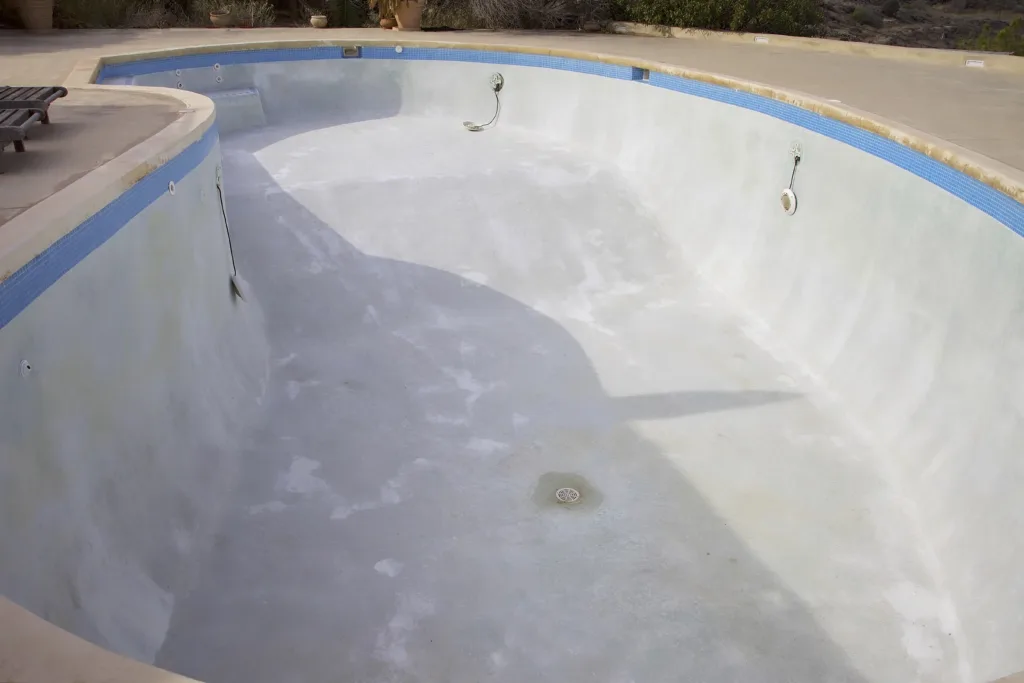
Traditional plaster acts like a sponge. Its porous cement structure lets pool chemicals, minerals, and organic matter soak in deep, creating problems that won’t go away no matter how hard you scrub.
What Happens Under the Surface
Those tiny holes trap dirt and stains layer by layer. Improper water chemistry is one of the main causes of plaster deterioration, but even well-maintained pools face this issue because of plaster’s inherent structure.
Stains build up fast. Rough spots start to appear. You need harsh chemicals more often just to keep up.
The worst part? This constant cycle of chemical use actually speeds up the damage. The surface starts chalking, cracking, and feeling gritty under your feet.
The Real Cost of “Affordable” Plaster
Based on 2025 industry data from HomeGuide, pool resurfacing with plaster costs between $6,000 to $8,000 for a standard pool. That sounds reasonable upfront. But homeowners spend more money each year trying to protect that investment. You still end up paying for resurfacing every seven to ten years.
This isn’t buying quality or long-term achievement. It’s paying for guaranteed failure in your finish outcome. The true cost isn’t always what you pay upfront; it’s what you have to pay again and again, as industry experts warn about common plaster finishes.
The ecoFINISH Advantage
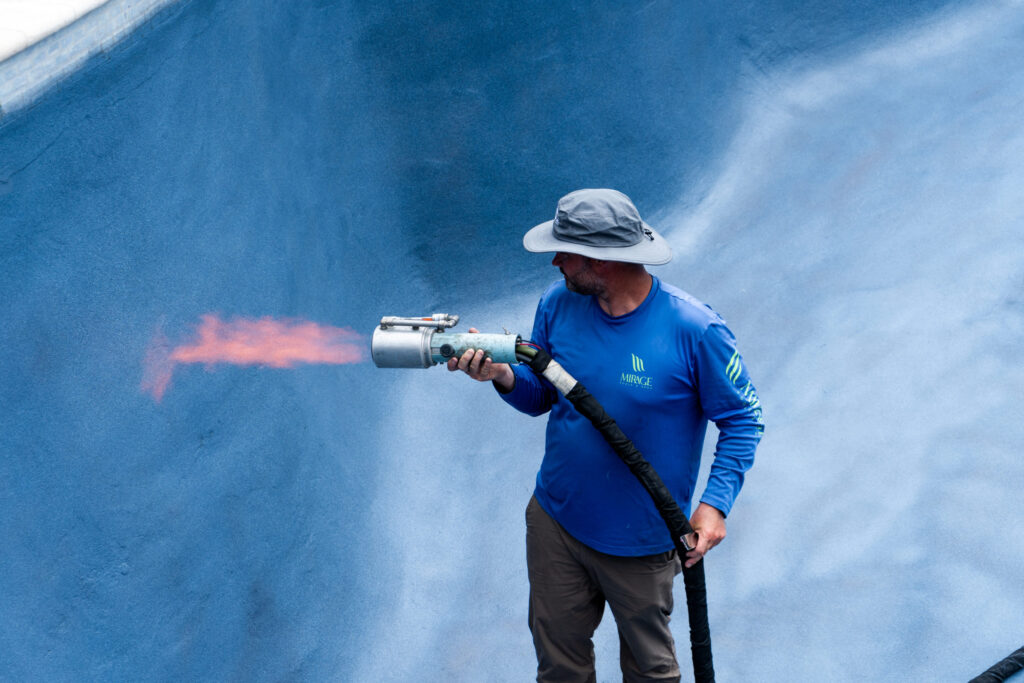
Here’s where things get interesting. ecoFINISH, which launched in 2008 after witnessing the shortcomings of traditional finishes, creates a smooth, non-porous layer on your pool surface. This blocks out stains, algae, and chemical absorption right from the start.
What Makes It Different
Colors stay bright year after year because ecoFINISH stands strong against harsh UV rays. You won’t see the chips, cracks, or peeling that plague old plaster finishes.
You get a real return on your investment because the finish is pH neutral. This means your water stays steady with less effort and fewer chemicals. You spend less time scrubbing walls or balancing tricky water chemistry.
The Repair Advantage
Here’s a detail most people don’t know about. If you ever need to fix an area years later, the repair blends in without visible seams. Try doing that with plaster.
Homeowners choose ecoFINISH as a smart strategy for long-term achievement and better performance. Not just short-term savings, but lasting success.
- Application time: Can be completed in just one day
- Start-up process: “Balance and Swim” (very fast), no complex 2-week hot start required
- Maintenance: Smooth surface resists algae and staining naturally
- Seamless repairs: Future fixes blend perfectly without visible patches
The Value Proposition
Plaster may cost less at first. But it usually needs replacement every 6 to 8 years. That adds up fast.
Think about three plaster jobs in twenty years. You’re looking at $18,000 to $24,000 total, plus the downtime and hassle each time.
With an ecoFINISH coating, many installations well over a decade before needing anything new. One job. One investment.
Guide your thinking toward the bigger return on investment. Show yourself how one solid installation saves both money and stress over time.
Performance matters more than a quick win or small upfront price tag. Help yourself invest in achievement and peace of mind by focusing on outcomes that last instead of setbacks that repeat themselves.
Shift your strategy from low cost today to lifetime value and proven results tomorrow. That’s buying the finish, not the failure.
