Find an Installer

Blog
October 8, 2025
Replastering Every Few Years? Try This Instead.
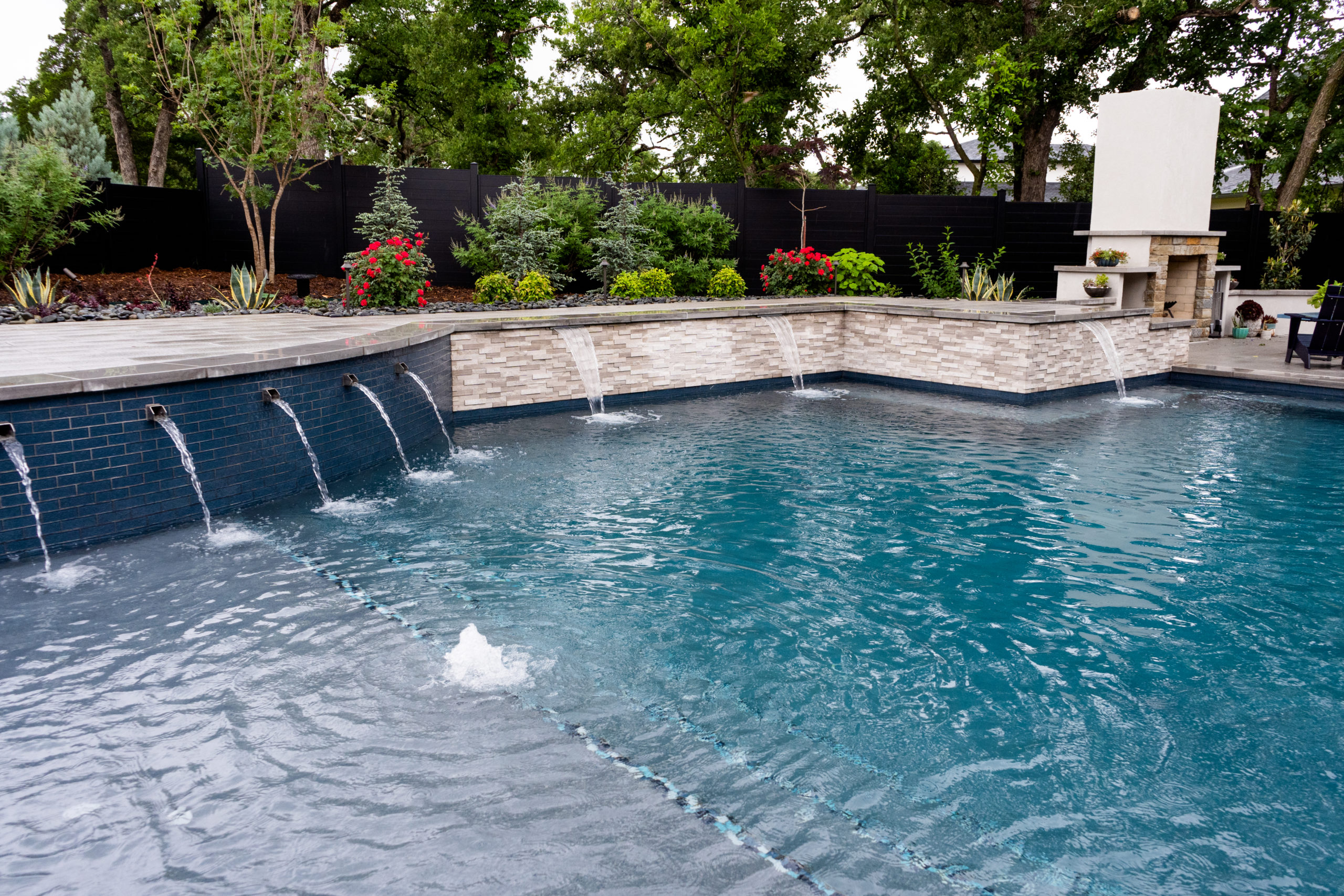
You know that frustrating cycle, right?
Your pool looks great after replastering, then a few years pass and you’re back to dealing with cracks, stains, and rough patches. According to data from Angi in 2025, most homeowners pay between $6,000 and $15,000 for pool resurfacing. That’s a massive expense to repeat every few years.
Here’s what most pool contractors won’t tell you upfront. Standard white plaster typically lasts 7 to 10 years under ideal conditions. But here’s the catch: without proper maintenance or in harsh climates, that same plaster can start failing in just 3 to 5 years.
This guide shows you better options for pool resurfacing that break this expensive cycle. We’ll compare costs, longevity data, and show you alternatives that can last decades longer than traditional plastering methods.
Key Takeaways
- Standard white plaster lasts 7-10 years but can deteriorate in 3-5 years without proper maintenance, forcing costly replastering cycles.
- According to 2025 industry data, the average pool resurfacing costs between $6,000 and $15,000 for a 1,000-square-foot pool, with costs reaching $11,000 on average.
- ecoFINISH coatings provide a smoother, chemical-resistant surface that requires less maintenance and eliminates the complicated plaster startup process.
- Frequent replastering creates disruptions, generates waste, and requires pool drainage and refilling that add $40-$400 in additional costs per project.
The Downsides of Frequent Replastering
Replastering every few years creates a financial drain that many homeowners don’t anticipate. The cycle starts innocently enough: a few surface stains appear, then cracks develop, and suddenly you’re facing another major renovation project.
Many homeowners search for cost-effective solutions in wall repair and surface preparation, hoping to avoid the endless maintenance cycle.
High Costs and Inconvenience
The numbers tell a sobering story. According to 2025 data from HomeWyse, replastering costs average $6.54 to $7.79 per square foot. For a typical 1,000-square-foot pool, that translates to $6,000 to $8,000 for basic plaster alone.
Labor fees add another layer of expense. Pool professionals charge between $45 and $65 per hour in 2025, and a complete replastering job can take several days.
The hidden costs multiply quickly:
- Draining and cleaning your pool: $600 to $650
- Refilling with water: $40 to $400 by hose, or $400 to $2,000 by delivery truck
- Chemical rebalancing after the new surface is installed
- Pool downtime of 7 to 10 days while the finish cures
Beyond the financial hit, the disruption to your daily life is significant. Your pool becomes unusable for weeks. Dust and debris from the work spread throughout your yard. Some contractors need to reroute equipment through your home, tracking materials across floors.
You’re repeating this exhausting process every few years instead of enjoying your pool.
Plaster’s Limitations
Traditional plaster simply wasn’t designed to last as long as modern pool owners need. The material is cement-based, which means it’s porous and reactive to water chemistry.
Here’s what happens over time. Water with imbalanced pH levels etches the surface. Calcium deposits build up. Minerals like iron and copper create stubborn stains that won’t scrub away.
Premium options like quartz and pebble finishes offer better longevity. Quartz finishes typically last 12 to 20 years, while pebble surfaces can reach 15 to 20 years or more. But even these upgraded materials eventually require full replacement.
ecoFINISH: A Superior Alternative to Plaster
ecoFINISH represents a different approach to pool surfaces. Instead of cement-based materials that degrade over time, it uses a thermoplastic polymer coating applied through a specialized heat process.
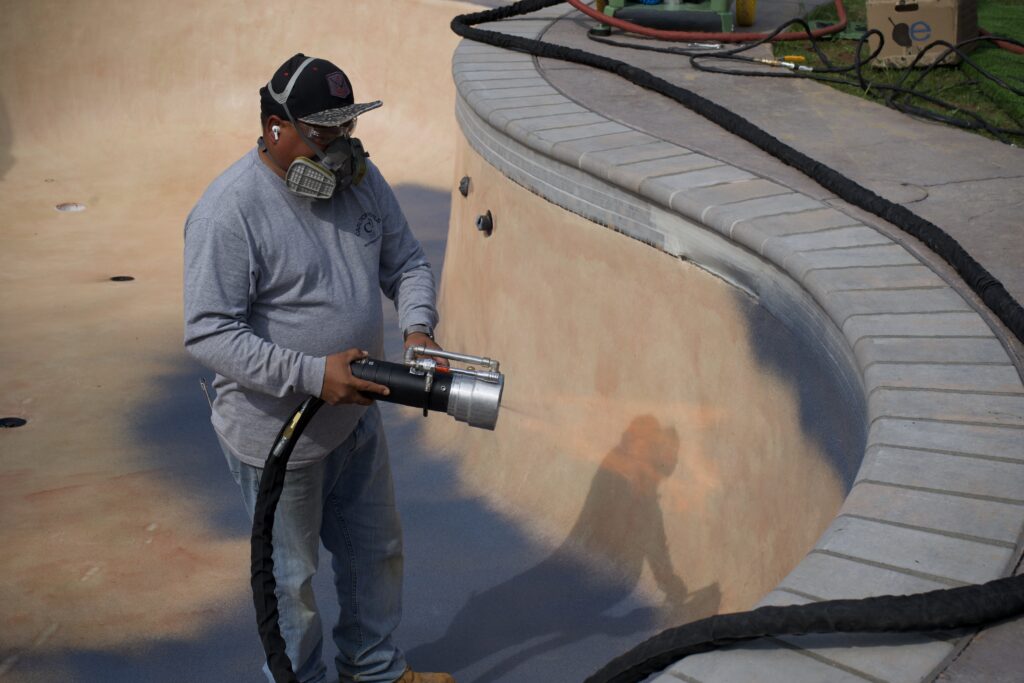
How ecoFINISH Works
The material starts as a powder. Installers use specialized heating equipment to apply it onto your pool surface. The process is fast and there’s no complicated startup process. You can fill your pool 24 hours after installation and start swimming in hours, not weeks.
The coating works on multiple surfaces: concrete, fiberglass, steel, and more. For concrete pools, their aquaBRIGHT process offers the same durability benefits. For fiberglass, the polyFIBRO process provides an alternative to gel coat reapplication.
Cost Savings and Low Maintenance
But here’s where the math shifts in your favor. ecoFINISH carries a 10-year material warranty. The coating resists the chemical reactions that destroy plaster.
The surface is pH neutral. Unlike plaster that constantly reacts with water and drives pH up, ecoFINISH doesn’t alter your water chemistry. You’ll use substantially less muriatic acid and chlorine to keep your pool balanced.
The durable finish means fewer repair calls and less money spent on patching. This long-lasting material cuts down on the continuous cycle of damage assessment and crack assessment that plaster requires.
Making the Switch
Transitioning from traditional plaster to modern alternatives requires working with ecoFINISH installers. Click here to find your nearest installers.
If you’re planning other backyard improvements, coordinate them together. Replacing decking, updating plumbing, or adding features all work better as a combined project. You’ll limit disruption and potentially save on labor costs.
Conclusion
The replastering treadmill doesn’t have to be your reality. Traditional plaster served us well for decades, but modern coatings offer a smarter solution.
ecoFINISH eliminates the constant cycle of repairs that drains your budget every few years. The initial investment pays off through decades of low-maintenance performance, reduced chemical costs, and a surface that stays smooth and beautiful.
Your pool should be a source of enjoyment, not a source of recurring renovation stress. Making the switch to long-lasting finishes means more time swimming and less time scheduling contractors.
