Find an Installer

Blog
September 17, 2025
Pool Paint vs Thermoplastic Coatings: A Real Comparison
Choosing the best pool surface can be confusing, especially if your old paint keeps chipping or fading. Pool paint may last only a few seasons, while thermoplastic coatings like ecoFINISH often stay strong for years. This blog will break down the key differences to help you pick what works better for your pool.
Key Takeaways
- Pool paint is cheaper upfront at $400–$600 per 1,000 sq ft but lasts only 1–3 years, so you need to repaint often.
- ecoFINISH thermoplastic coatings costs more but last much longer with little maintenance.
- Pool paint chips and fades faster from sun and chemicals; ecoFINISH resists stains, fading, and peeling better over time.
- Pool paint is DIY-friendly and uses simple tools. ecoFINISH requires special equipment and a trained installer.
Overview of Pool Paint and ecoFINISH
Pool paint uses liquid coatings like epoxy, acrylic, or rubber to cover concrete and plaster pool surfaces. These paints go on with rollers or sprayers. They create a smooth waterproof layer but may fade, chip, or peel over time. Pool paint is common for quick upgrades due to its simple application process.
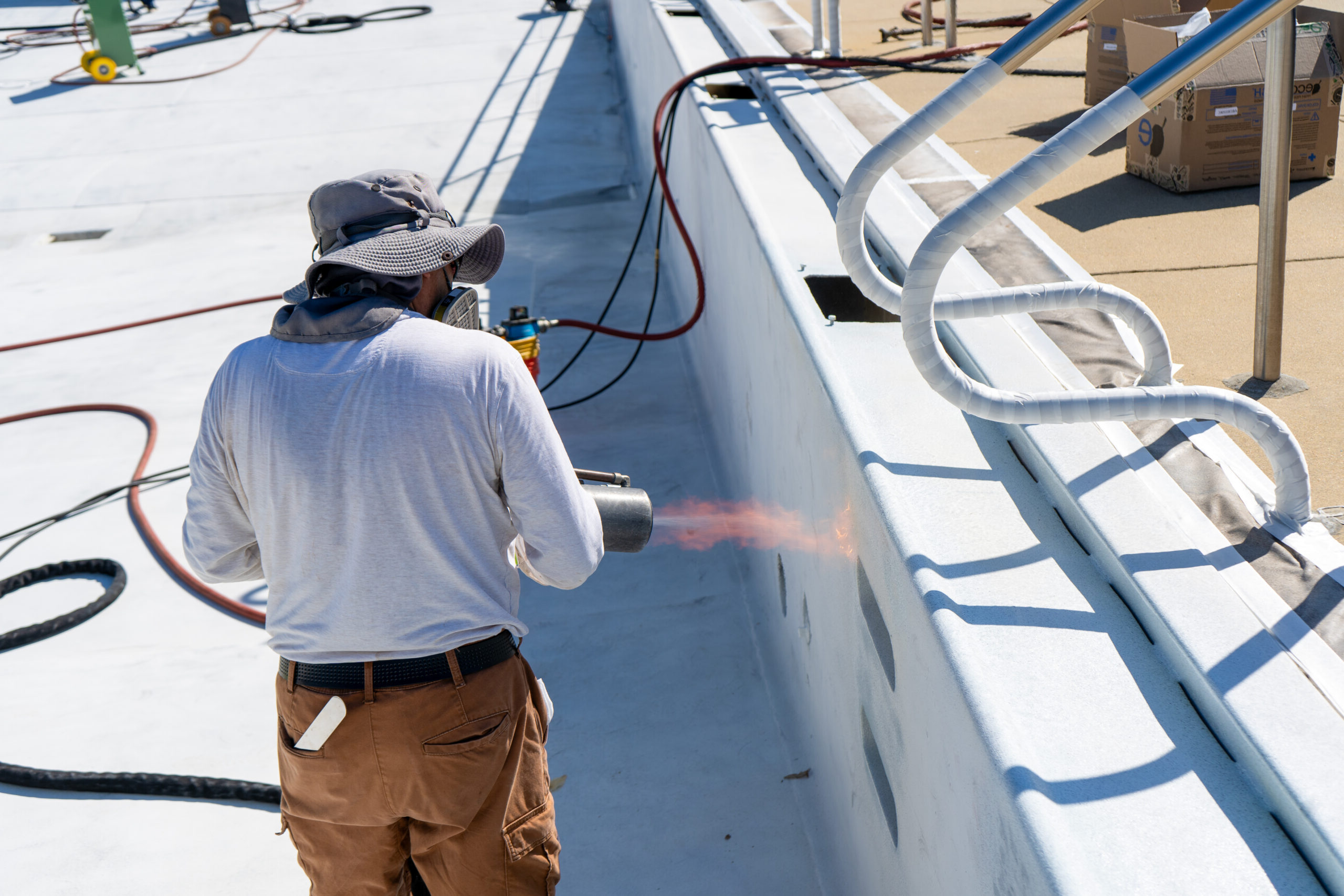
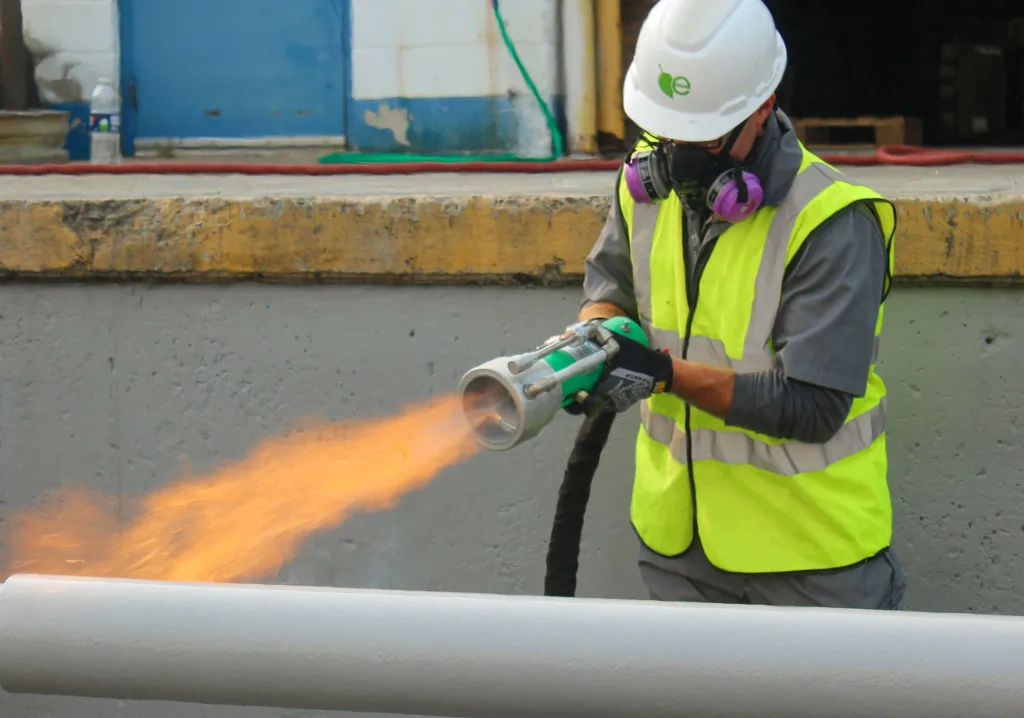
ecoFINISH, a thermoplastic polymer coating system, is flame-sprayed onto the pool surface using a special machine. This method forms a strong bond and high-quality finish instantly. ecoFINISH resists harsh chemicals and does not stain as easily as traditional pool paint.
Both options act as reliable finish solutions; each comes with different lifespans, repair needs, and impact on the environment.
Comparing Key Performance Factors
Comparing key performance factors helps you choose the right option for your pool. Pool paint and thermoplastic coatings have different strengths—let’s look closely at durability, maintenance, and application next.
Durability
Pool paint lasts about 2 to 5 years on average. It can peel, chalk, or fade if the water chemistry is wrong or the sun is strong. Scratches and chips often show up fast with pool paints after a season or two. Touch-ups become common and repainting gets costly over time.
Thermoplastic coatings like ecoFINISH last much longer—10 to 15 years is common. These polymer coatings resist fading from UV rays and hold up well against harsh pool chemicals. The surface stays smooth without peeling or chipping as easily as paint does.
Maintenance
Basic pool paint needs lots of care. You might scrub stains often and patch chips every year. Harsh pool chemicals, sun, and water wear down the coating quickly. Fading can show up in a short time, sometimes within 1-2 years.
ecoFINISH needs little maintenance after they cure. Their surface keeps algae and stains away much better than regular paint. Basic water chemistry and brushing will take care of the maintenance requirements.
Application Process
Pool paint is relatively simple to apply, making it popular for DIY projects. Most homeowners can roll, brush, or spray paint onto a clean, dry pool surface with minimal training. While easy, this approach has limitations: paint may not adhere evenly, and improper technique can lead to bubbling, streaks, or premature peeling. Multiple coats are often required, and curing times can vary depending on temperature and humidity.
ecoFINISH, on the other hand, requires specialized equipment and trained installers. The thermoplastic coating is flame-sprayed directly onto the pool surface, instantly forming a strong, seamless bond. This process ensures even coverage, superior adhesion, and a durable finish that resists cracking, peeling, and chemical damage. While it’s a professional-only application, the result is a high-quality, long-lasting pool surface that dramatically reduces the need for future repairs or touch-ups.
Cost Comparison
Pool paint is relatively inexpensive initially, typically costing $400–$600 per 1,000 sq. ft. This makes it appealing for quick, budget-friendly upgrades. However, its shorter lifespan means you’ll need to repaint every 1–3 years, which adds labor, material, and downtime costs over time. Pool paint is also more susceptible to chemical damage, which can increase the need for additional cleaning or treatment products.
The price of ecoFINISH varies depending on the installer and project specifics, but it is generally much higher than pool paint upfront. Despite the higher initial cost, ecoFINISH’s durability often makes it cost-effective in the long run. With a lifespan of 10–15 years and superior resistance to fading, chipping, and chemical damage, it reduces the need for frequent reapplication and minimizes expenses on chemicals and maintenance.
Conclusion
Choosing the right pool finish comes down to balancing upfront cost, longevity, maintenance, and overall value. Pool paint is inexpensive and DIY-friendly, but it fades, chips, and requires frequent reapplication. ecoFINISH, while costing more initially, delivers a long-lasting, low-maintenance finish that resists fading, staining, and chemical damage.
For homeowners who want a pool surface that stays vibrant, smooth, and durable for years, ecoFINISH coatings like aquaBRIGHT and polyFIBRO offer superior performance and long-term savings. Investing in a high-quality thermoplastic coating ensures fewer repairs, less maintenance, and a pool that remains beautiful and safe season after season.
