Find an Installer

Blog
May 25, 2026
5 Signs Your Pool Finish Is Past Its Prime
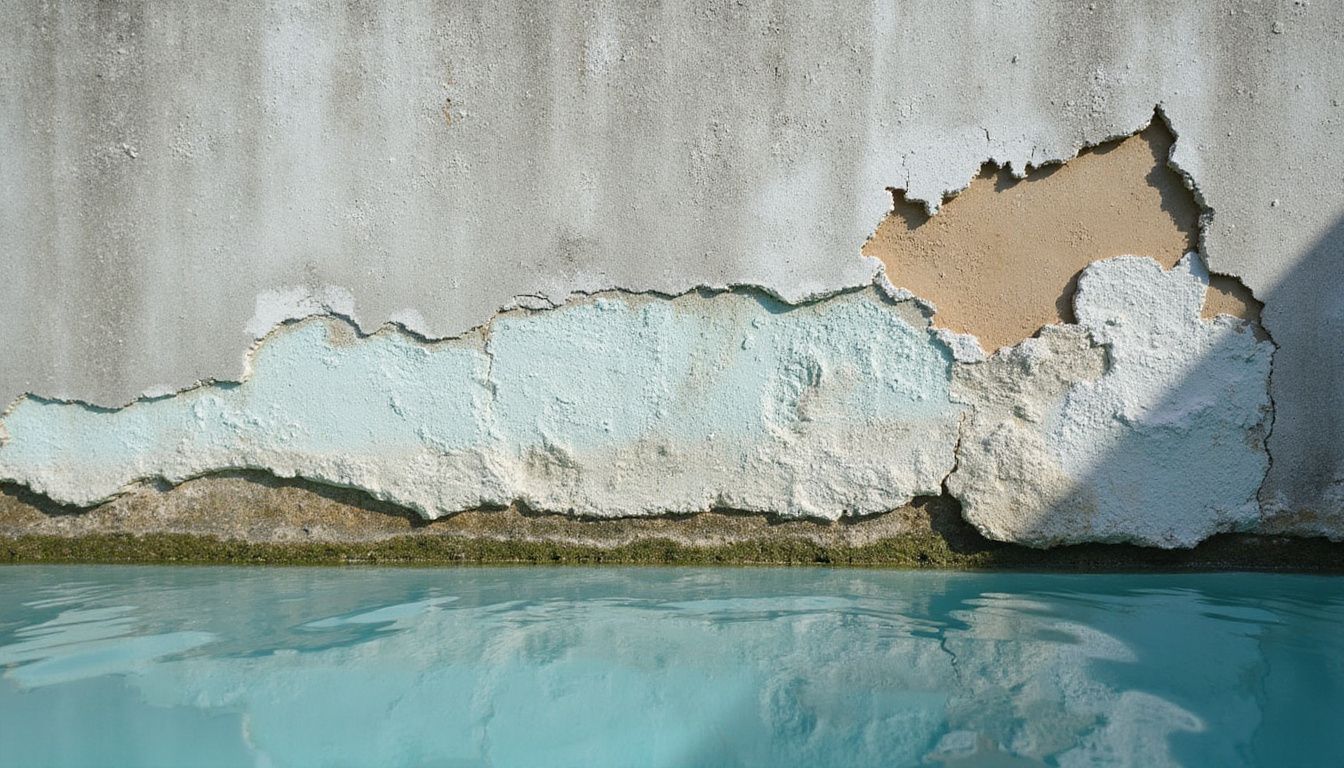
Have you looked at your pool lately and thought something seems off? Maybe the color has faded, the walls feel rough underfoot, or your chemical bills just keep going up.
Most pool surfaces last between seven and ten years before they need replacement.
Once that window closes, the warning signs tend to show up fast. Knowing the 5 signs your pool finish is past its prime helps you catch problems early and avoid expensive repairs down the road.
#1. Surface Discoloration and Staining
When fading and blotchy colors won’t respond to cleaning, your finish is breaking down at a structural level. This could be etching, which is a process where unbalanced water chemistry literally dissolves cement compounds out of your plaster. Algae takes hold in these weakened areas, creating stains that resist even aggressive brushing and shock treatments.
#2. Rough Texture and Visible Surface Wear
A pool surface that feels scratchy underfoot is a structural warning. As finishes age, they develop rough patches, chips, and peeling layers. Experts call the advanced stage of this “spalling,” where plaster flakes off and begins exposing the concrete underneath. Rough texture can also directly accelerates water loss.
#3. Cracks and Chips Spreading Across the Surface
Small cracks may seem minor, but they signal that your finish’s protective layer is failing. Water seeps through fractures, algae colonizes the rough edges, and the underlying concrete loses its shield. Left unaddressed, what starts as hairline cracks can escalate into expensive structural repairs that go far beyond a simple resurface.
#4. Wildly Unstable Water Chemistry
If you’re constantly fighting to keep your water balanced despite regular treatment, your finish is likely the culprit. A deteriorating surface absorbs and throws off chemicals, making proper balance nearly impossible to maintain. This means more product, more technician visits, and more frustration.
#5. Skyrocketing Maintenance Costs
An aging finish is an expensive finish. You’re probably spending more on extra chemicals, more for service visits (or time spent doing maintenance yourself), more for patch repairs, and more for water loss. Resurfacing could drop down each of these costs.
Conclusion
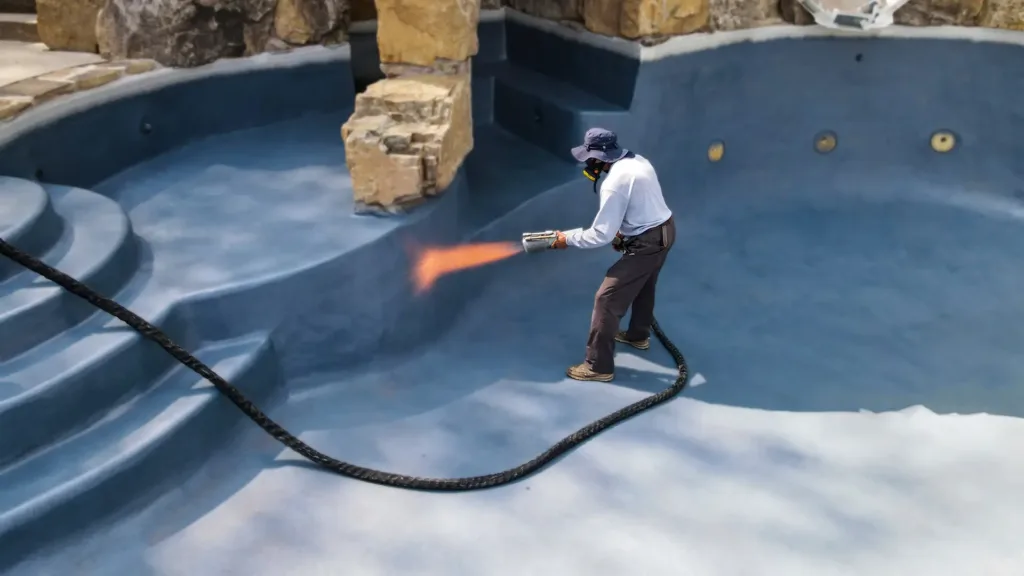
A worn-out pool finish rarely fails overnight. It slowly turns into a cycle of rough surfaces, stubborn stains, unstable chemistry, and rising maintenance costs that only get worse with time. If your pool is showing several of these symptoms, resurfacing may be the solution.
For many homeowners, ecoFINISH has become one of the most effective resurfacing solutions available. ecoFINISH coatings resist staining, etching, and chemical damage while delivering a smoother surface and lower long-term maintenance demands. Addressing finish failure early with a modern resurfacing system can help you avoid far more expensive structural repairs later on.
