Find an Installer

Blog
August 15, 2025
Chemical-Resistant Coatings for Heavily Chlorinated Pools
Pool owners with heavily chlorinated water often struggle with coatings that peel, crack, and deteriorate within months. This guide explores the best chemical-resistant coatings that withstand harsh chlorine environments and protect pool surfaces for years.
Understanding the Impact of High Chlorine Levels
High chlorine levels create a harsh chemical environment that attacks most standard pool coatings. Chemical resistance becomes critical because chlorine acts as a powerful oxidizer that breaks down coating materials over time.
Standard paint and basic protective finishes simply cannot withstand the constant exposure to concentrated chlorine solutions. Pool owners often discover that regular coatings begin to peel, blister, or fade within months of application in heavily chlorinated environments.
Pool coatings must provide both chemical durability and stain resistance to maintain their appearance and protective qualities. Smart pool owners invest in chemical-resistant options that deliver long-term performance rather than settling for cheaper alternatives that fail quickly under harsh chlorine exposure.
Top Chemical-Resistant Coating Options
The right chemical-resistant coating protects pool surfaces from damage while maintaining a beautiful appearance for years.
aquaBRIGHT
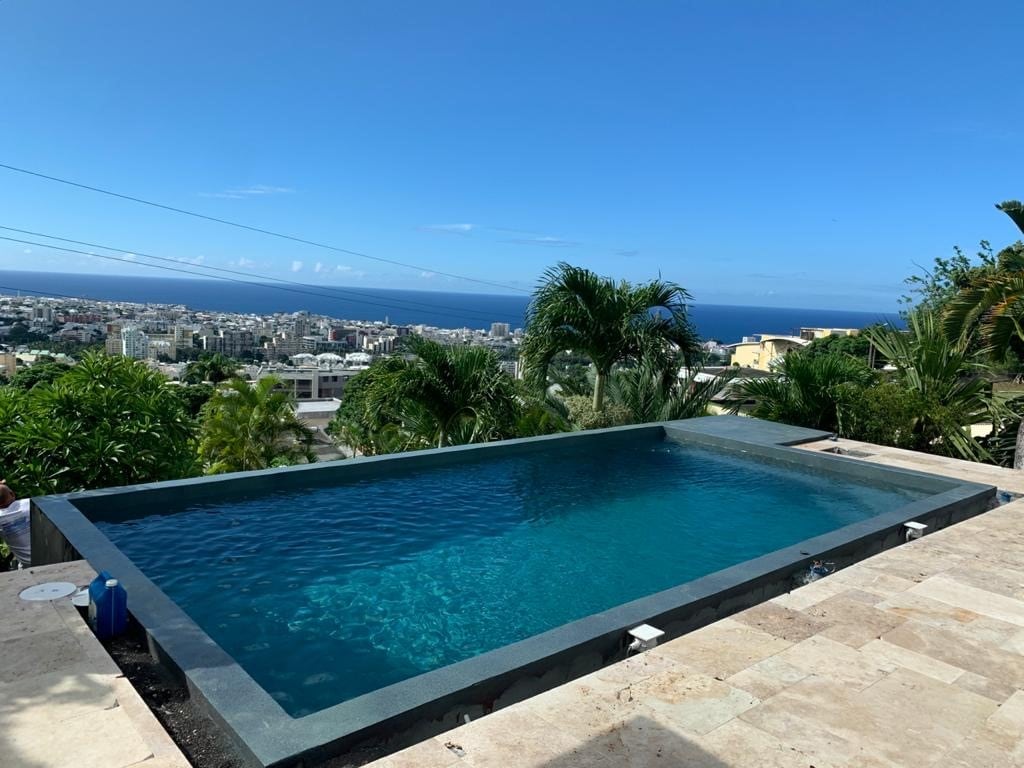
aquaBRIGHT from ecoFINISH delivers superior chemical resistance that outperforms traditional pool coatings in high-chlorine environments.
This advanced protective coating combines superior durability with exceptional stain, algae, and abrasion resistance, making it an ideal choice for commercial pools and residential swimming facilities that maintain high chlorine levels. The coating creates a waterproof protection barrier that withstands constant exposure to harsh pool chemicals while maintaining its vibrant appearance for years.
The coating’s advanced polymer technology ensures long-lasting performance, reducing the need for frequent reapplications and saving money on pool maintenance costs over time.
Epoxy-Based Coatings
Epoxy-based coatings stand out as one of the most reliable protective coatings for outdoor swimming pools facing high chlorine exposure. These specialized finishes create a tough barrier that resists chemical damage while providing excellent waterproof protection.
Pool owners appreciate how epoxy paint maintains its integrity even under constant chlorine bombardment. The coating forms a surface that prevents water penetration and chemical seepage into the pool structure.
The chemical resistance of quality epoxy systems can last several years before requiring reapplication, making them cost-effective for serious pool maintenance programs.
Key Factors in Choosing a Coating
Pool owners need to evaluate several critical factors before selecting chemical-resistant coatings for heavily chlorinated pools. These considerations directly impact the coating’s performance and longevity in harsh chlorine environments.
- Chemical resistance levels – Choose coatings specifically formulated to withstand high chlorine concentrations without breaking down or losing adhesion over time.
- Surface preparation requirements – Evaluate how much prep work the coating demands, as some epoxy paint systems need extensive cleaning and etching before application.
- Application method compatibility – Consider whether the protective coating can be applied with available equipment like brushes, rollers, or spray systems.
- Curing time and pool downtime – Factor in how long the waterproof protection needs to cure before swimmers can safely use the outdoor swimming pools again.
- Temperature resistance range – Select pool coatings that maintain their chemical durability across your region’s typical temperature fluctuations throughout the year.
- Abrasion resistance properties – Look for protective finishes that can handle regular cleaning, brushing, and normal wear from pool maintenance activities.
- Stain resistance capabilities – Choose surface coatings that resist discoloration from chlorine, algae, and other pool chemicals that cause unsightly marks.
- Long-term durability expectations – Compare manufacturer warranties and expected lifespan to determine which waterproof coatings offer the best value for your investment.
- Algae resistance features – Prioritize coatings with built-in algae resistance to reduce maintenance needs and keep pool surfaces cleaner longer.
Conclusion
When it comes to protecting a pool in a high-chlorine environment, chemical resistance is not just a “nice to have” — it’s the deciding factor between a coating that lasts for years and one that fails within months. While epoxy-based coatings offer dependable performance for many pool owners, aquaBRIGHT remains the gold standard. Its advanced polymer technology, superior stain resistance, and long-term durability make it the most reliable choice for both residential and commercial pools that need to withstand constant chlorine exposure.
However, aquaBRIGHT is not a DIY product. It requires professional installation to ensure the coating bonds correctly, cures properly, and delivers the full range of benefits it’s designed to provide. By investing in a professionally applied aquaBRIGHT finish, pool owners can enjoy a surface that looks vibrant, resists damage, and stays protected for years — even in the harshest chemical conditions.
